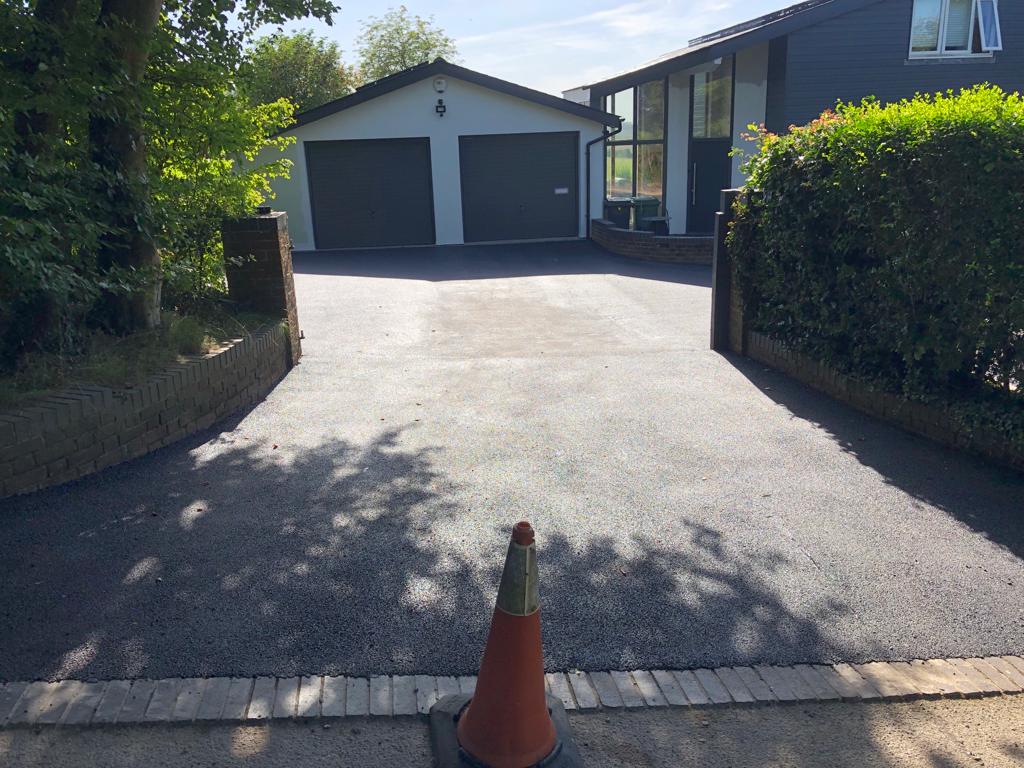
Older road surfaces often begin showing signs of deterioration long before they become completely unsuitable for use. Fading bitumen, loose aggregate, minor cracking and reduced surface texture can all indicate that a road is approaching the point where maintenance or resurfacing is necessary.
However, not every ageing road requires complete reconstruction. When the underlying pavement remains structurally sound, spray & seal bitumen surfacing can provide an effective way to renew the wearing surface, improve its resistance to water penetration and restore practical road performance.
For property owners, businesses and road managers in Tamworth, NSW, understanding when spray & seal is appropriate can help determine whether an existing road can be restored or requires more extensive repairs.
How Can Spray & Seal Improve an Ageing Road Surface?
Spray & seal is a bituminous surfacing method that involves applying a sprayed bitumen binder followed by a layer of suitable aggregate. The aggregate is then rolled into the binder to create a durable, textured wearing surface.
Depending on the pavement condition and intended use, the treatment may involve a single application or multiple layers.
Unlike asphalt, which is a premixed combination of aggregates and bitumen, spray & seal is constructed by applying the binder and aggregate separately.
This method is commonly used for road construction, maintenance and resurfacing where the supporting pavement is suitable.
When applied to an older road, spray & seal can renew the surface and improve its ability to withstand everyday traffic and weather exposure.
However, its effectiveness depends on the condition of the existing pavement. Spray & seal is primarily a surface treatment and should not be expected to correct significant structural weaknesses beneath the road.
1. Restoring a Worn Bitumen Surface
One of the most noticeable signs of an ageing sealed road is the gradual deterioration of its wearing surface.
Over time, traffic and environmental exposure can cause the existing binder to age, while aggregate may become worn or dislodged.
This can leave the road with an uneven appearance, exposed patches and areas of reduced surface texture.
Where the pavement remains stable, applying a new spray & seal treatment can restore a continuous bituminous wearing surface.
The fresh binder helps secure the new aggregate, while the aggregate provides the texture required for regular vehicle movements.
This can improve the condition and functionality of an older road without necessarily removing the entire existing pavement.
2. Helping Protect the Pavement Against Water Penetration
Water is one of the most significant contributors to road deterioration.
As an older surface develops cracks, exposed areas or defects, rainfall can enter the pavement and affect the supporting materials.
When moisture weakens the road base, repeated vehicle movements may cause rutting, settlement and pothole formation.
A correctly applied spray & seal treatment can help reduce water penetration by creating a renewed bituminous surface.
This is particularly beneficial when the existing pavement is structurally sound but the wearing surface has begun to deteriorate.
However, spray & seal cannot resolve every moisture-related problem.
Existing structural cracks, unstable sections and drainage defects must be assessed and addressed before treatment.
For roads in Tamworth, NSW, combining appropriate surface maintenance with effective drainage can help reduce the risk of continuing pavement deterioration.
3. Improving Surface Texture and Vehicle Traction
Older sealed roads can gradually lose their original surface texture through traffic wear.
As the exposed aggregate becomes polished or the wearing surface deteriorates, the road may no longer provide the same surface characteristics it once did.
Spray & seal introduces a new layer of aggregate that can restore suitable surface texture.
Aggregate selection is important because the size, shape and characteristics of the stone influence the finished surface.
The treatment must also be designed for the expected traffic conditions.
A properly selected and installed spray & seal surface can provide appropriate tyre contact and traction for everyday vehicle use.
However, the finished result depends on correct binder application, aggregate selection, rolling and subsequent traffic management during the initial settling period.
4. Addressing Early Surface Deterioration Before It Spreads
Minor surface defects can become more extensive when they are left untreated.
Small areas of aggregate loss may expose the underlying binder or pavement materials to further weathering.
Surface cracks can allow moisture to enter, while loose aggregate may continue deteriorating under traffic.
Where these problems are limited to the wearing surface, timely maintenance can help preserve the underlying pavement.
Spray & seal may be suitable once any necessary localised repairs and surface preparation have been completed.
The important distinction is identifying whether deterioration is superficial or structural.
A road with minor surface wear may respond well to resealing, while one with deep rutting or recurring potholes may require more extensive pavement repairs.
Professional assessment helps ensure that spray & seal is used where it can provide a meaningful improvement.
5. Extending the Useful Life of an Existing Road
One of the main reasons spray & seal is used for road maintenance is its ability to renew a serviceable pavement.
An older road may still have a stable base even though the wearing surface has become worn or weathered.
In these circumstances, replacing the surface treatment can help protect the existing pavement and extend its useful service life.
The renewed seal reduces exposure of the supporting materials to rainfall and provides a fresh wearing surface for traffic.
However, the extent of the improvement depends on the road’s existing condition, traffic demands and quality of installation.
Spray & seal is most effective when applied before extensive structural deterioration develops.
Waiting until the pavement has become unstable may limit the suitability of surface treatment alone.
How Can You Tell Whether an Older Road Is Suitable for Spray & Seal?
Not every ageing road is a suitable candidate for resealing.
Before recommending spray & seal, an experienced contractor should assess the existing surface and supporting pavement.
Several conditions can indicate that the road may be suitable for treatment.
The Existing Pavement Remains Stable
A road that maintains its shape under traffic and shows no significant signs of settlement may be suitable for a new surface treatment.
The supporting pavement must be capable of carrying the expected vehicle loads.
If the base is weak or unstable, additional preparation or reconstruction may be necessary.
Surface Wear Is More Significant Than Structural Damage
Spray & seal is particularly useful where deterioration is concentrated in the wearing surface.
Examples include ageing binder, worn aggregate and localised surface defects.
Where cracking or potholes extend into the supporting layers, repairs must be completed before resealing.
Drainage Is Functioning Correctly
A road that regularly holds water may continue deteriorating even after a new seal is applied.
Before resurfacing, the road profile and drainage arrangements should be assessed.
Where necessary, grading or drainage improvements may be required to ensure water can move away from the pavement.
The Road Is Suitable for the Intended Traffic
Traffic volume, vehicle types and loading conditions influence whether spray & seal is appropriate.
An access road used primarily by passenger vehicles may have different requirements from a route regularly carrying heavy commercial vehicles.
Professional assessment helps determine the appropriate seal design and whether the existing pavement has sufficient structural capacity.
When Is Spray & Seal Not Enough?
Although spray & seal is an effective treatment for suitable roads, it cannot repair every form of deterioration.
Some pavement defects indicate that the problem extends below the wearing surface.
These include:
- Deep wheel-track rutting
- Widespread structural cracking
- Recurring potholes
- Significant pavement settlement
- Soft or unstable sections
- Severe edge deterioration
- Persistent water accumulation
- Extensive failure of the road base
Applying spray & seal directly over these conditions may improve the road’s appearance temporarily, but the underlying defects are likely to remain.
For example, if a pothole has developed because the road base is saturated and unstable, a new surface treatment will not restore the strength of the supporting material.
The affected section may need to be excavated, repaired and compacted before resealing.
Where deterioration is widespread, more extensive pavement rehabilitation may be the appropriate solution.
Why Surface Preparation Is Essential Before Spray & Seal
Successful spray & seal resurfacing depends on the condition of the surface receiving the treatment.
Before application, the road must be assessed and prepared to provide a suitable base for the new binder and aggregate.
Preparation may involve cleaning the surface, repairing potholes, treating cracks and correcting localised defects.
Loose material, dust and contamination can interfere with the performance of the new seal.
The road’s shape and drainage should also be considered.
If the existing pavement has significant depressions or unsuitable surface falls, these may need to be corrected before sealing.
Professional preparation helps ensure the treatment is applied to a stable and suitable surface rather than covering defects that could affect the finished result.
Why Binder and Aggregate Selection Matter
Spray & seal performance depends on the relationship between the bitumen binder, aggregate and existing road surface.
The binder must be applied at an appropriate rate to hold the aggregate securely without leaving excessive free bitumen on the surface.
Insufficient binder can contribute to aggregate loss, while excessive binder may cause flushing or bleeding.
Aggregate size and characteristics must also suit the existing pavement, expected traffic and seal design.
The selected materials influence surface texture, aggregate retention and overall durability.
Experienced contractors consider these factors when determining the most suitable spray & seal treatment for a particular road.
Correct material selection is especially important when restoring an older pavement that may already have variable surface conditions.
Can Spray & Seal Be Used on Rural and Commercial Access Roads?
Spray & seal can be suitable for a range of access roads and trafficable areas where the pavement structure is appropriate.
Applications may include rural access roads, private roads and selected commercial access routes.
For an older unsealed road, spray & seal may also form part of a surfacing upgrade after the road has been correctly shaped, strengthened where necessary and compacted.
However, sealing an unsealed road differs from resealing an existing bituminous surface.
An unsealed road may require more extensive preparation to establish a suitable pavement base and drainage profile.
For commercial access roads, the expected vehicle loads and frequency of traffic must also be considered.
Where heavy vehicles regularly brake, turn or manoeuvre, a different pavement or surfacing solution may be more appropriate.
For properties in Tamworth, NSW, a professional assessment can help determine whether spray & seal is suitable for the intended application.
How Does Spray & Seal Compare With Asphalt Resurfacing?
Spray & seal and asphalt resurfacing are both used to renew road surfaces, but they are different treatments.
Spray & seal involves applying bituminous binder and aggregate directly to a prepared surface.
Asphalt resurfacing involves placing and compacting a premixed asphalt layer.
Spray & seal is commonly used where a suitable pavement requires a renewed bituminous wearing surface and improved protection against moisture.
Asphalt resurfacing may be appropriate where a continuous asphalt wearing layer is required, provided the existing pavement can support the treatment.
Neither method should be selected solely on the basis of appearance.
The road’s condition, traffic requirements, existing construction and intended use should determine the most suitable approach.
In some situations, structural repairs may be necessary before either treatment can be applied.
Why Timing Matters When Resealing an Older Road
The condition of a road at the time of treatment can influence the effectiveness of spray & seal.
When the wearing surface is deteriorating but the pavement remains stable, resealing may help preserve the existing road structure.
If maintenance is delayed until water has entered the base and extensive deformation has developed, surface treatment alone may no longer be sufficient.
This is why regular inspections are valuable.
Signs such as increasing aggregate loss, surface cracking and localised deterioration should be assessed before they develop into more serious defects.
Early identification allows the appropriate maintenance method to be selected while the existing pavement may still be serviceable.
Why Professional Spray & Seal Application Makes a Difference
Spray & seal requires careful planning and controlled installation.
The condition of the existing road, binder application rate, aggregate selection, weather conditions and rolling process all influence the finished result.
The treatment must be applied under suitable conditions to achieve proper binder and aggregate performance.
Experienced contractors understand the importance of preparing the surface, selecting appropriate materials and managing the application process.
They can also identify when an older road requires additional repairs before resealing.
For property owners and businesses in Tamworth, NSW, professional spray & seal resurfacing provides a practical approach to restoring suitable roads while addressing the factors that influence long-term performance.
Conclusion
Spray & seal can help restore the performance of older road surfaces when the existing pavement remains structurally sound.
By renewing the wearing surface, improving surface texture and helping reduce water penetration, spray & seal can protect serviceable pavement and extend its useful life.
However, it is not a solution for every deteriorating road. Deep rutting, recurring potholes, unstable supporting layers and significant structural cracking must be properly assessed and repaired before a new surface treatment is considered.
The most effective approach is to identify the cause of deterioration and select a treatment that matches the condition and intended use of the road.
Tamworth Road Tek provides professional spray & seal bitumen surfacing, asphalt resurfacing and pavement preparation services in Tamworth, NSW. If your existing road is showing signs of ageing, surface wear or deterioration, contact our team to discuss whether spray & seal is a suitable option for restoring its performance.
Call us on: 02 5301 9087
Click here to find out more about Tamworth Road Tek
Click here to complete our contact form and see how we can help with your Asphalt and Bitumen Surfacing needs.