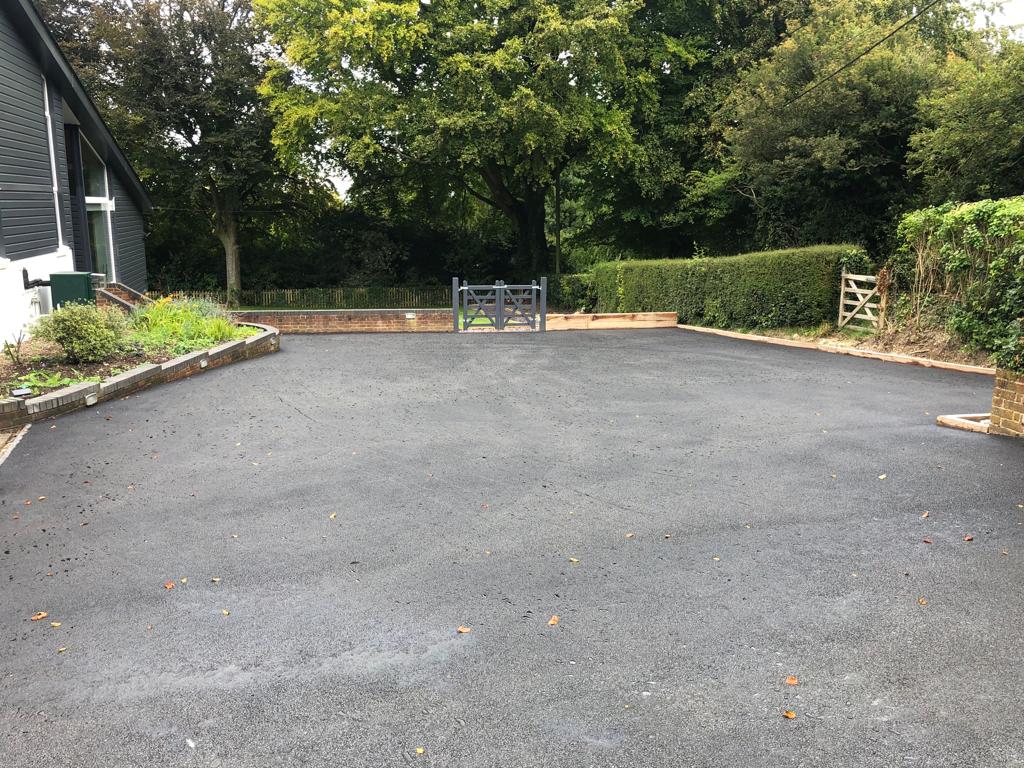
Spray and seal bitumen is a versatile surfacing method that can be used across a range of vehicle areas, from residential driveways and access routes to roads and parking areas. Its suitability, however, depends on much more than the size of the area being surfaced. Traffic movements, pavement preparation, drainage, existing surface condition and the type of vehicles using the site all need to be considered.
For property owners, businesses and other sites in Tamworth, NSW, professional assessment is the best way to determine whether spray and seal is appropriate. When installed over a properly prepared and stable pavement, it can provide a durable, practical sealed surface while protecting the pavement underneath from direct traffic wear and water penetration.
What Is Spray & Seal Bitumen?
Spray and seal is a road surfacing process in which a layer of hot bituminous binder is sprayed over a prepared pavement. Selected aggregate is then spread across the binder and rolled into the surface.
Depending on the application and required pavement characteristics, the treatment may involve more than one application of binder and aggregate.
The result is a textured sealed surface that protects the prepared pavement underneath while providing a suitable wearing layer for vehicle traffic.
The quality of the finished surface depends heavily on the pavement beneath it. Spray and seal should therefore be viewed as the final part of a properly prepared pavement system rather than a way of covering an unstable or poorly formed base.
Is Spray & Seal Suitable for Driveways?
Spray and seal can be an effective option for driveways where the underlying pavement is appropriately constructed and the surface suits the intended vehicle use.
A driveway needs to cope with repeated movements in relatively concentrated areas. Vehicles tend to follow similar wheel paths each day and may regularly brake, turn or accelerate in the same locations.
Before applying spray and seal to a driveway, consideration should be given to:
- Existing pavement strength
- Driveway levels
- Drainage
- Vehicle types
- Frequency of use
- Turning areas
- Soft or unstable sections
- Existing potholes or rutting
Where these elements are suitable or properly prepared, spray and seal can create a defined and dependable driveway surface.
A Sealed Driveway Can Reduce Loose Surface Material
An unsealed driveway is continually disturbed by vehicle tyres.
Aggregate can move away from regular wheel paths, fine particles can generate dust and corrugations or potholes may gradually develop.
Spray and seal creates a sealed wearing layer over the prepared pavement. Vehicles are therefore travelling over the finished surface rather than directly disturbing loose road material.
This can help provide a more consistent driveway for everyday access.
Is Spray & Seal Suitable for Longer Access Driveways?
Long access driveways can be particularly well suited to consideration for spray and seal.
Maintaining an extensive unsealed driveway may involve regular attention to potholes, loose material, corrugations and drainage. Where the pavement itself is suitable, sealing can protect the prepared surface and provide more consistent vehicle access.
The complete driveway should still be assessed before work begins.
A long surface may contain sections with different conditions. One area could be stable while another has drainage problems, soft material or deep wheel ruts.
These sections need appropriate preparation before the final seal is applied.
Is Spray & Seal Suitable for Roads?
Road surfacing is one of the established applications for spray and seal bitumen.
Its suitability depends on the construction of the pavement and the traffic it is expected to carry.
The road base needs to provide sufficient support because the spray and seal treatment is primarily the wearing surface. It does not replace the structural role of the pavement underneath.
Before sealing a road, professional preparation may involve:
- Assessing existing pavement condition.
- Repairing failed areas.
- Correcting potholes and significant depressions.
- Grading the road to establish an appropriate profile.
- Addressing relevant drainage issues.
- Adding suitable pavement material where required.
- Compacting the prepared surface.
- Applying the specified spray and seal treatment.
The final result depends substantially on the quality of these earlier stages.
Spray & Seal Can Protect a Prepared Road Surface
One of the important benefits of sealing a road is that the prepared pavement is no longer directly exposed to regular vehicle movements.
On an unsealed road, tyres continually interact with the road material itself. Fine particles and aggregate can be displaced, while rainfall can directly affect the exposed surface.
A bitumen seal creates a protective wearing layer between traffic and the prepared pavement.
This can help reduce:
- Dust generation
- Loose surface material
- Direct erosion of the pavement surface
- Aggregate displacement
- Development of corrugations associated with an unsealed surface
Maintenance will still be required over time, but the nature of that maintenance changes once the road is sealed.
Is Spray & Seal Suitable for Parking Areas?
Spray and seal can also be considered for parking areas, depending on how the site is used.
Parking areas experience different traffic movements from a road. Vehicles frequently travel at low speeds, turn into spaces, manoeuvre and sometimes perform tight steering movements.
These movements need to be considered when selecting a surface.
The condition and construction of the underlying pavement are particularly important because a sealed surface needs stable support beneath areas of repeated vehicle manoeuvring.
A professional assessment can determine whether spray and seal suits the expected traffic and layout of the parking area.
Turning Movements Need Particular Consideration
Turning vehicles can place significant stress on any pavement surface.
Tyres do not simply roll forward during tight manoeuvres. They can place lateral forces on the wearing surface, particularly when vehicles turn while moving slowly.
This is relevant to:
- Driveway entrances
- Parking areas
- Turning circles
- Loading and access areas
- Sections where vehicles regularly change direction
A contractor should consider these movements when determining whether spray and seal is appropriate for the site and how the pavement should be prepared.
What About Heavier Vehicles?
The presence of heavier vehicles does not automatically determine whether spray and seal can or cannot be used.
The more important consideration is whether the complete pavement has been designed and prepared for the expected loads and movements.
A surface regularly used by heavier commercial vehicles requires suitable pavement support underneath.
Where heavy traffic is expected, factors such as pavement depth, material quality, compaction, turning movements and drainage become particularly important.
The surfacing treatment should be selected as part of the complete pavement design rather than considered independently.
Why Pavement Preparation Is So Important
Spray and seal follows the shape and stability of the pavement underneath it.
It should not be expected to correct a poorly prepared road base.
If the existing surface contains deep potholes, unstable areas, significant rutting or broad depressions, applying bitumen and aggregate over these defects will not remove the underlying cause.
Professional preparation may require:
- Pothole repairs
- Grading
- Base repairs
- Additional pavement material
- Reshaping
- Drainage improvements
- Compaction
Only once the underlying pavement is suitable should the final sealing treatment be considered.
Grading May Be Required Before Sealing
For an existing unsealed driveway or road, grading can form an important part of preparation.
Traffic may have created wheel ruts, corrugations and low sections, while pavement material may have migrated towards the edges.
Professional grading can help restore the intended road profile and redistribute suitable material.
Where insufficient material remains, additional pavement material may be needed rather than attempting to create the required profile from an inadequate existing base.
The aim is to establish a stable, correctly shaped pavement before it is sealed.
Drainage Must Be Addressed Before Spray & Seal
A sealed surface needs effective drainage.
Spray and seal can help reduce direct water penetration through the traffic surface, but rainfall still needs somewhere to go.
If the pavement is shaped incorrectly, water may remain in depressions or collect along the edges.
Over time, persistent moisture can contribute to pavement deterioration.
Before sealing, attention should therefore be given to:
- Surface levels
- Crossfall
- Low sections
- Wheel ruts
- Pavement edges
- Existing water flow
- Areas where rainfall currently collects
A properly shaped pavement should encourage water to leave the traffic area rather than remain on it.
Existing Potholes Need Repairing First
Potholes should not simply disappear underneath a new spray and seal treatment.
They indicate that material has already failed, and the condition beneath the pothole needs to be assessed.
Professional preparation may involve removing loose or unstable material, checking the supporting pavement, rebuilding the affected section and compacting it appropriately.
Once failed areas have been restored and the wider pavement is properly prepared, sealing can proceed over a more suitable foundation.
Spray & Seal Versus Leaving the Surface Unsealed
Whether an area should remain unsealed or be sealed depends on its use and required performance.
An appropriately constructed and maintained unsealed surface can provide practical access. However, it remains directly exposed to vehicle tyres and rainfall.
Regular maintenance may be needed to address:
- Corrugations
- Potholes
- Loose aggregate
- Dust
- Rutting
- Erosion
- Loss of road profile
Spray and seal changes the wearing surface so traffic is no longer travelling directly over loose pavement material.
For frequently used areas, this can provide a more consistent and manageable traffic surface.
Spray & Seal and Asphalt Are Different Surfaces
Spray and seal should not be confused with asphalt.
Asphalt is manufactured using aggregate combined with a bituminous binder. It is laid and compacted to create a dense, comparatively smooth surface.
Spray and seal uses sprayed bituminous binder with aggregate applied and rolled into it, producing a more textured finish.
Both can provide effective vehicle surfaces when used in appropriate situations.
The choice should be based on the site, pavement condition, expected traffic and required surface characteristics rather than assuming one treatment is suitable for every application.
How Do You Know Whether Your Site Is Suitable?
Several questions can help determine whether spray and seal deserves consideration:
- Is the existing pavement stable?
- Are there potholes or soft sections?
- Does water drain effectively?
- What vehicles use the area?
- How frequently is it used?
- Are there substantial turning or manoeuvring areas?
- Is the existing road profile suitable?
- Does additional base preparation need to be carried out?
A professional site assessment can answer these questions and identify any preparation required before sealing.
Professional Spray & Seal in Tamworth, NSW
Spray and seal can be suitable for a variety of driveways, roads and parking areas, but the success of the finished surface begins with understanding how the site is used and what condition the pavement is in.
Tamworth Road Tek provides professional asphalt and bitumen surfacing services in Tamworth, NSW, including the assessment and preparation of surfaces for spray and seal applications.
By considering pavement strength, drainage, grading requirements, traffic movements and existing defects before work begins, the surface treatment can be matched more closely to the practical requirements of the site.
Conclusion
Spray and seal can be suitable for driveways, roads and parking areas where the pavement underneath is stable, properly prepared and appropriate for the expected traffic.
Its benefits include creating a defined sealed surface, reducing direct disturbance of loose pavement material, limiting dust and providing additional protection to the prepared pavement underneath. However, the bitumen seal itself cannot compensate for potholes, weak base material, poor drainage or significant surface deformation.
Professional preparation is therefore fundamental. Existing defects may need repairing, unsealed roads may require grading and compaction, and drainage should be considered before the final surface treatment is applied.
For driveways, roads and parking areas in Tamworth, NSW, Tamworth Road Tek can assess the existing pavement and determine whether spray and seal bitumen, asphalt or further surface preparation is appropriate. Choosing the treatment according to the actual condition and use of the site can help create a more dependable surface for ongoing vehicle access.
Call us on: 02 5301 9087
Click here to find out more about Tamworth Road Tek
Click here to complete our contact form and see how we can help with your Asphalt and Bitumen Surfacing needs.